Our latest news and views English
Underpinned by our Scandinavian design heritage, we bring you regular stories about architecture and interiors, exploring natural materials, acoustics, and the creation of safe and harmonious environments.
 GLOBAL


Many wood species that have long defined architectural interiors – such as teak and other tropical hardwoods – are today restricted or unsuitable to use. Requirements for sustainability, traceability and responsible sourcing have changed how materials can be selected and specified. At the same time, these materials remain present in our buildings. In historic environments, they are often what define the architectural identity. Replacing red-listed wood species in architecture is therefore not only a technical task – it is about preserving what already exists, without compromising today’s responsibilities.
For architects and clients, this creates a clear tension. The desired visual expression is often already defined, but the material traditionally used to achieve it is no longer an option. At the same time, the requirements remain.
Requirements for sustainability, traceability and responsible sourcing have fundamentally changed how materials can be specified. Certification systems such as FSC®, where materials can be traced throughout the entire chain from forest to finished product, have become an important part of ensuring responsible use of wood.
Replacing a material is not simply a matter of selecting another wood species. Without the right knowledge and processing, the result risks becoming a compromise – both visually and technically.
-Loss of depth, variation and material character.
-Inconsistent surfaces across large continuous areas.
-Reduced acoustic performance due to reflective materials.
-Difficulty meeting fire requirements.
In large public environments, this is not only visible – it affects the entire spatial experience.
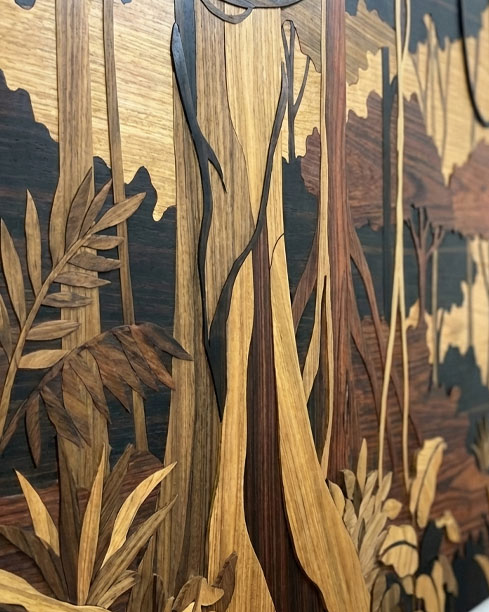
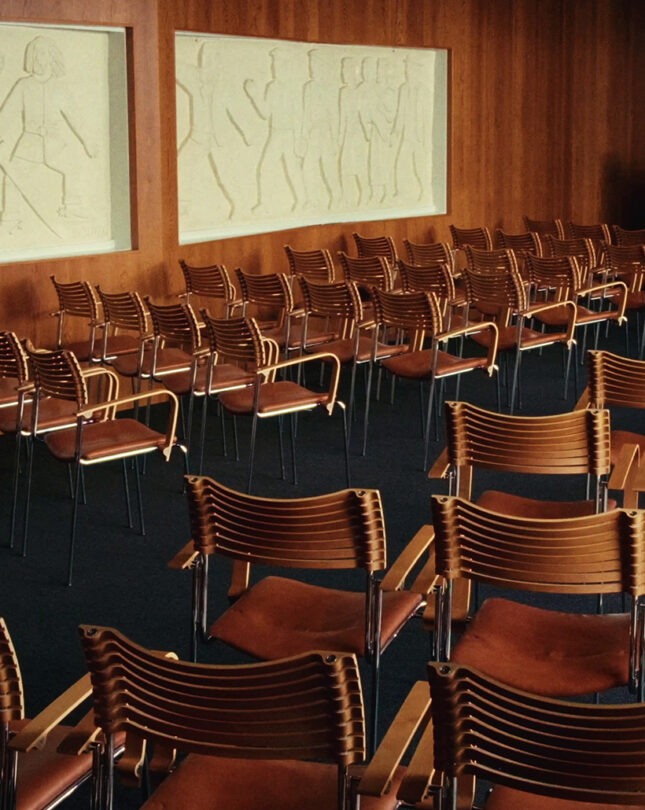
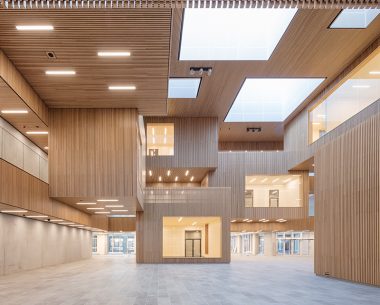
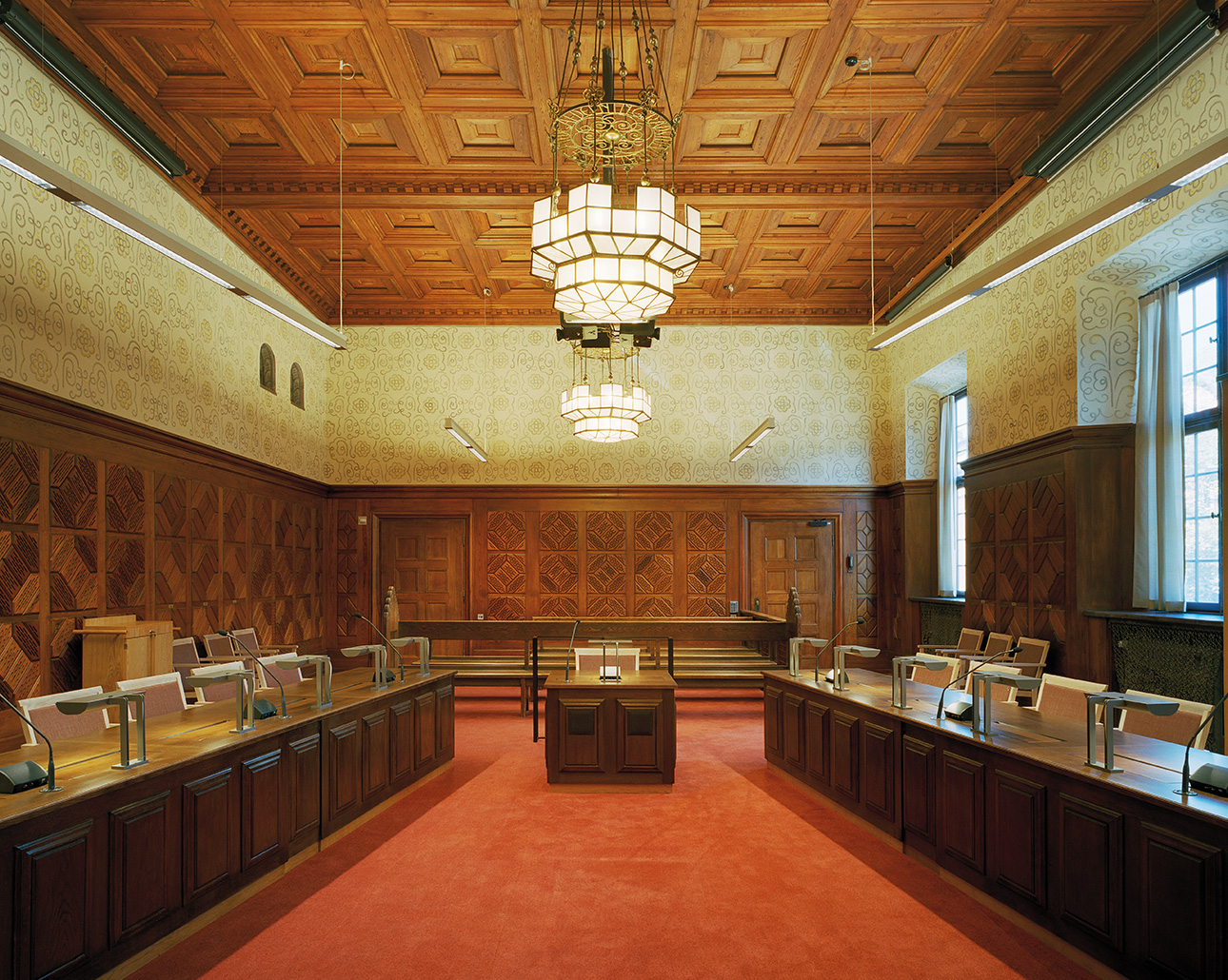
In projects such as House of People, this challenge becomes very clear. The architectural ambition was to create a warm, expressive wood surface with the depth and variation of traditional hardwoods – without using them.
Instead of the red-listed species teak, the solution was to work with oak and develop a controlled process for colouring and finishing. By carefully managing pigmentation, structure and finish, it is possible to achieve an expression very close to the original – but with a material that is sustainable and available.
-Knowledge of wood structure, grain and ageing behaviour.
-Precision in pigmentation and surface treatment.
-Consistency across large-scale production.
The result is a material that appears natural and cohesive, even in complex environments.
To achieve this, the material cannot be treated as an isolated surface, but as part of a complete system.
The panel is not just a surface, but a construction where each layer serves a purpose.
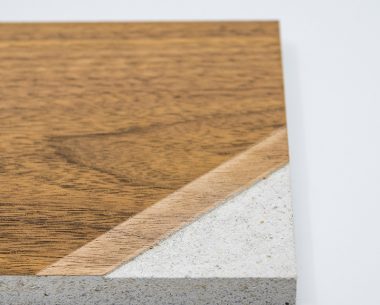
The visible wood surface is designed to allow sound to pass through. Behind it, absorbing layers capture sound energy. The core provides stability and ensures that the panel maintains its shape over time, even with changes in indoor climate.
Reduces reverberation and improves acoustic comfort
Meets high fire safety requirements
Maintains its appearance and colour over time
Because the system is developed as a whole, its performance can be predicted – both acoustically and visually.
You can read more about how the systems are structured here:
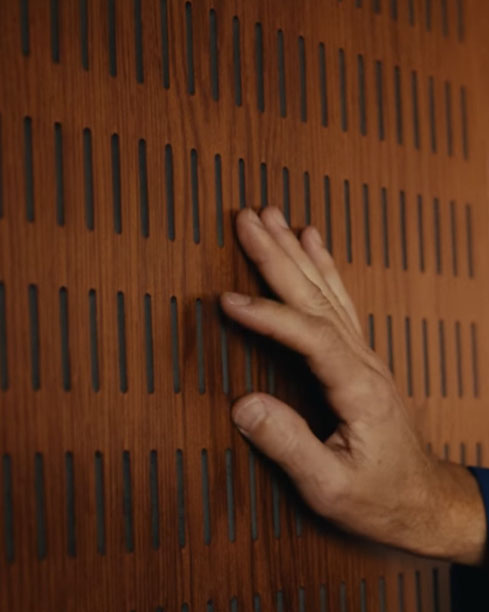
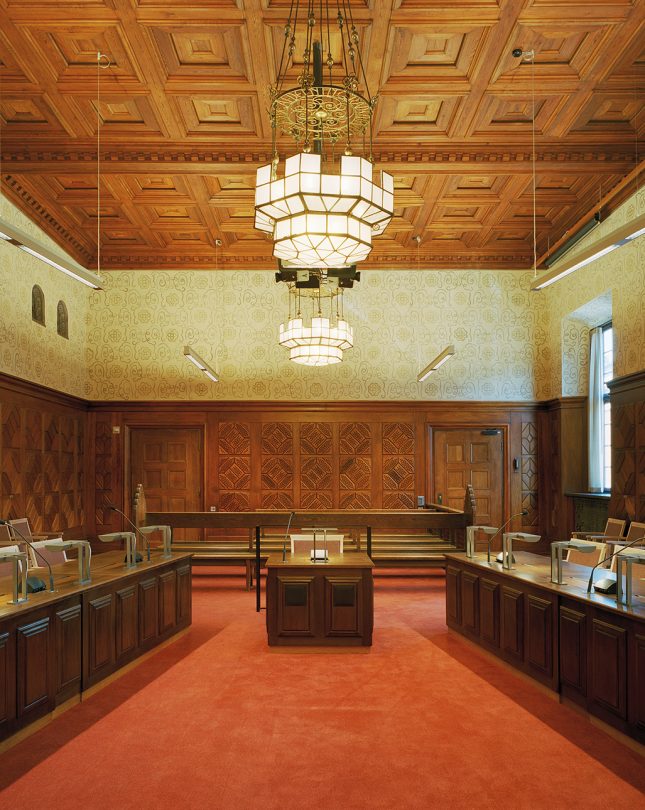
In many projects, it is essential that new elements do not appear new. By combining material knowledge with system solutions, the architecture can remain intact while performance is upgraded.
– The visual expression is preserved.
– Acoustic performance is improved.
– Fire and sustainability requirements are met.
This is particularly important in public environments where both function and experience must perform over time.
This approach becomes especially relevant in restoration and transformation projects. New elements must integrate with existing structures – without creating visible differences or technical issues.
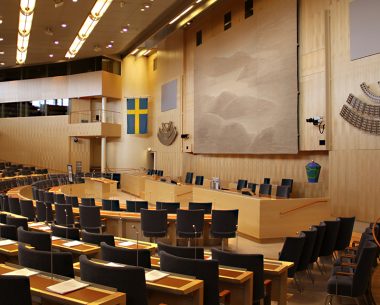
In projects such as St Per’s School auditorium and Stockholm City Hall, acoustic solutions are integrated into existing architecture with respect for both material and design – while fully meeting modern requirements.
This reflects a broader shift in architecture. Material selection is no longer defined by appearance alone, but by how well the material performs within a given context.
-Sustainability and availability.
-Technical performance.
-Long-term stability.
This requires closer collaboration between architects, suppliers and technical specialists.
It is no longer about replacing one material with another – but about working with systems, where material, construction and performance are developed together.
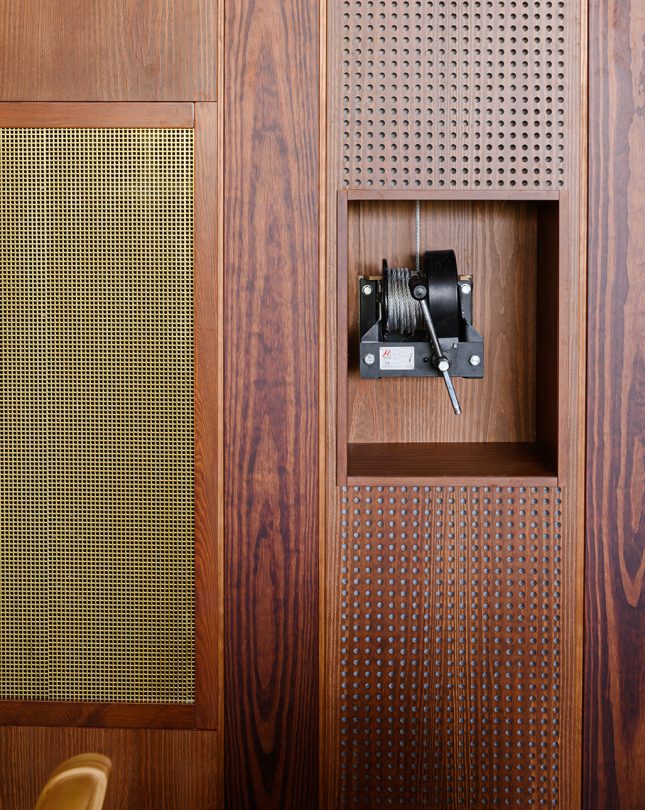
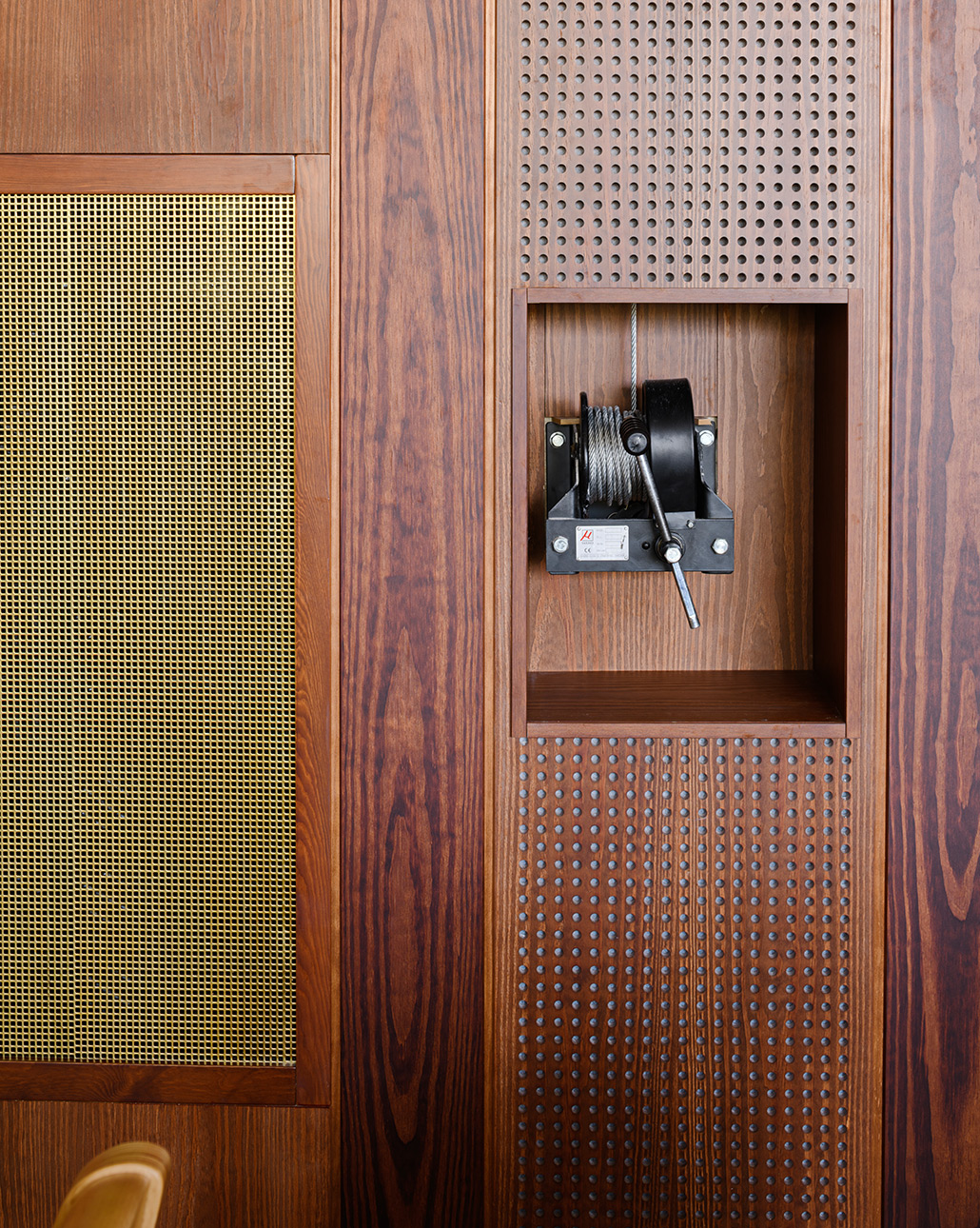
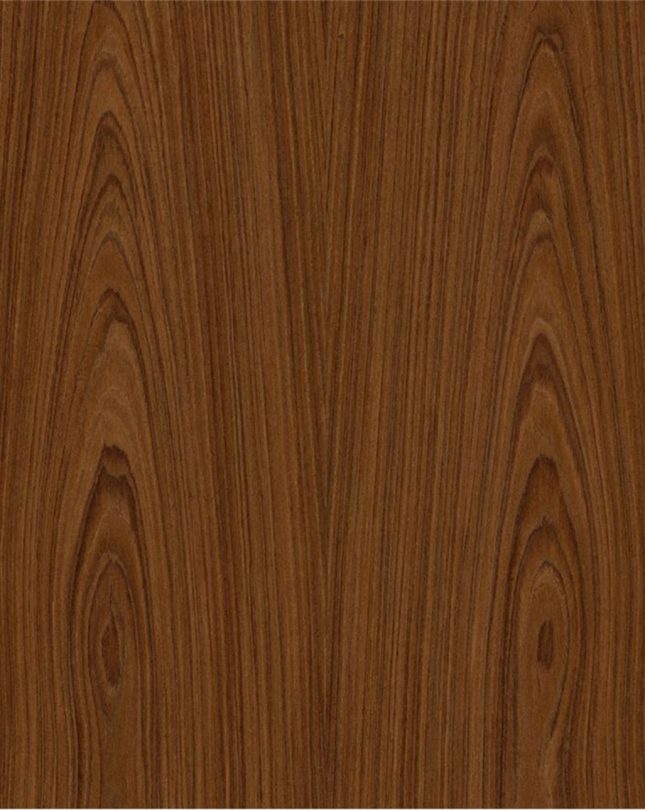
To meet these demands, Gustafs has developed alternatives to red-listed veneer species.
One example is Gemini, consisting of pre-coloured veneers that offer a controlled and consistent expression. In addition, natural veneers can be further developed through surface treatment, where pigmented lacquers are used to colour-match and recreate the tone, depth and variation of more restricted wood species.
By combining the right wood species with tailored surface treatment, it is possible to achieve a result very close to the original expression – using materials that are sustainable, available and suitable for long-term use.
Underpinned by our Scandinavian design heritage, we bring you regular stories about architecture and interiors, exploring natural materials, acoustics, and the creation of safe and harmonious environments.
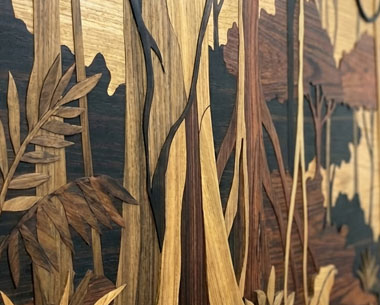
From limitation to engineered solution – Wood species that once defined interiors are becoming harder to use. New demands for sustainability and traceability are reshaping material choices—and opening the door to new solutions.
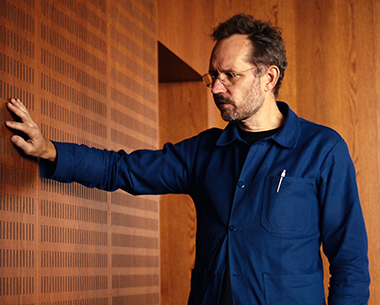
Morten Johansson from DinellJohansson talks about House of People and their work to modernize the interior while preserving the building’s character.
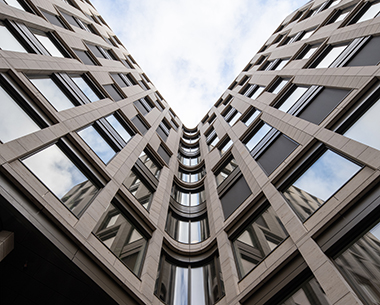
Per Ravn from Cubo Arkitekter talks about the design of a ten-storey commercial building in Oslo.

We’re thrilled to announce that Gustafs Linear Rib has been recognized as the Public Vote Winner in the Wall Finish of the Year category at the Archello Awards 2025.
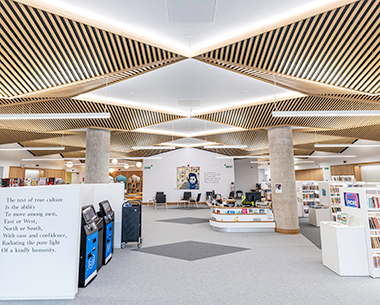
John Comer from HTA Design speaks about the Una Marson Library project, where Gustafs Linear Ribs clad the ceiling in a diamond-shaped pattern.
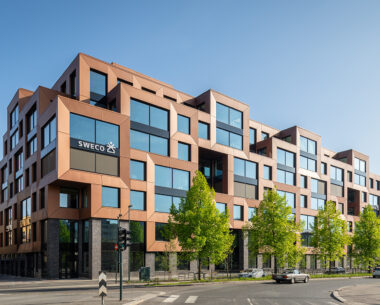
Norway is setting the pace in Scandinavian architecture. A new generation of buildings is emerging — where sustainability, acoustic comfort, and timeless aesthetics are brought together through intelligent design.
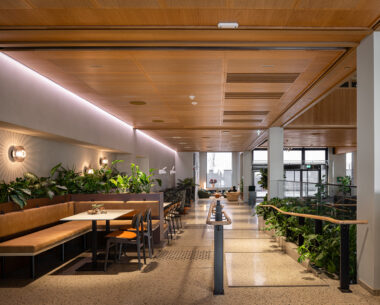
In 2025 and into 2026, interior design continues to embrace natural materials and acoustic wellness as defining qualities of modern spaces. Designers are blending organic textures – warm wood, natural stone, woven fibres – with thoughtful sound design to create interiors that are both beautiful and comfortable to live and work in.
Gareth Andrews from RPP Architects shares his thoughts around this newly opened virtual production facility, Studio Ulster, in Belfast, and their selection of Gustafs panels on the walls in the screening room.
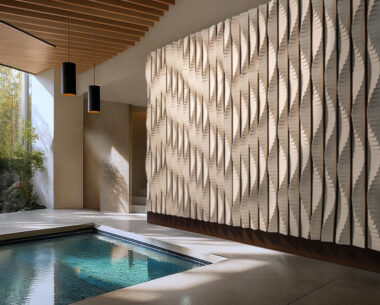
How to Improve Acoustics in Swimming Pools and Spas
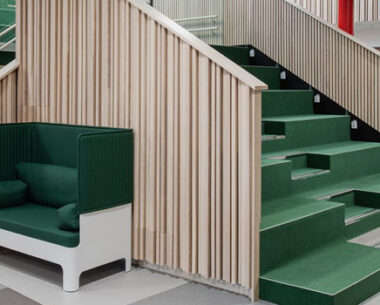
Noise and reverberation are hidden performance-drainers, but with the right material choices, it’s possible to create school environments that both feel and function better.
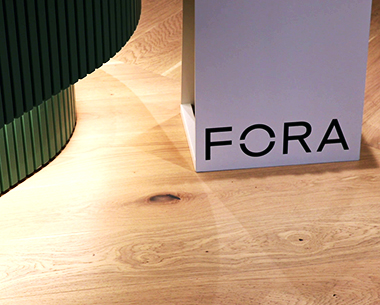
Global design practice Hassell talks about the Fora workspace in London, where Gustafs panels were reused and given new life.
When sustainability is discussed in the construction industry, it’s often about future visions. For Gustafs, it’s already reality.
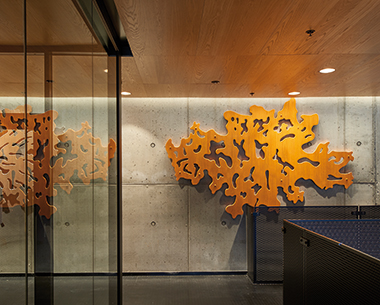
Håvard Slinde from Nordic Office of Architecture discuss the materials selected for the project.
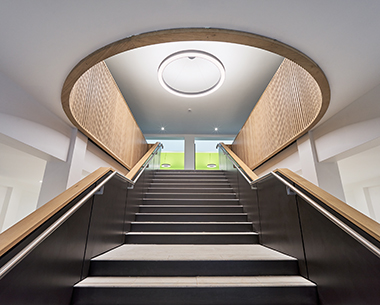
GBS Architects’ Fiona Godlement speaks about their reconfiguration of Radley College Science Block.
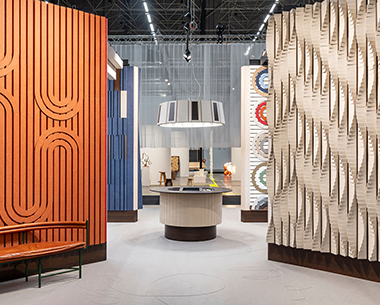
We summarize our week in the Swedish capital, where we participated in the annual furniture fair.
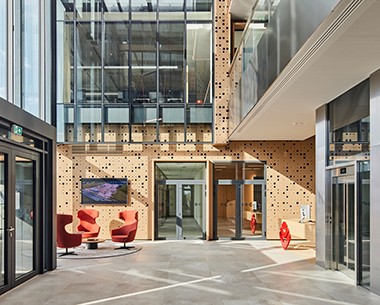
Lithuanian interior design studio DVI tell us about their recent workspace project.
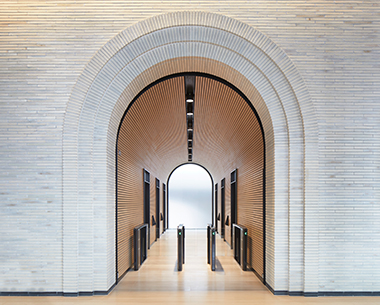
Myles Burke from PLP Architecture talks about the Arbor building in central London, where 300 sqm of Gustafs Linear Rib is installed in the entrance area.
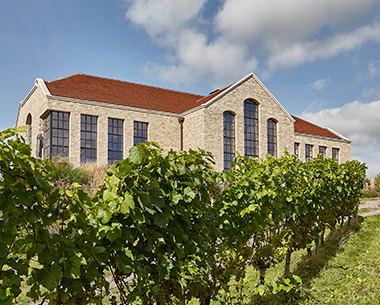
Interior Designer Stephanie Dunning speaks about the ‘cathedral like’ Exton Hall building at Exton Park Vineyard, and the installation of Gustafs Linear Ribs in the ceiling.
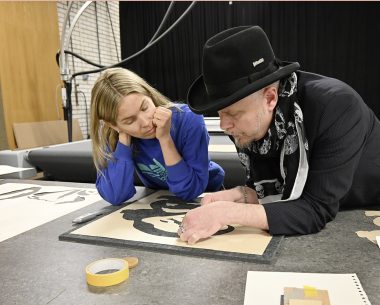
We explore a new intarsia artwork designed by artist Anna Hedström for Gustafs. Collaboration is an important aspect of our creative approach at Gustafs, we love to test what can happen when creativity and craftsmanship merge!

Experienced acoustician Johan de Sousa Mestre uses a blend of perforations for best reverberation and diffusivity in his search for optimal room acoustics.
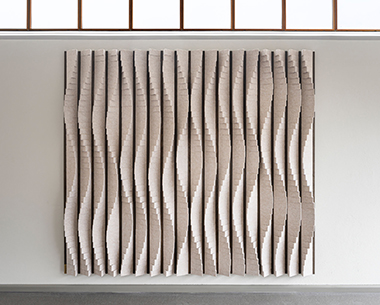
We introduce a new acoustic line with felt absorbers inspired by nature, offering a wide selection of silent designs for both walls and ceilings.
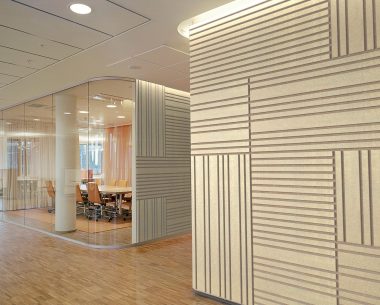
Explore new design possibilities with our latest Lamellow+ design; Puzzle. This collection features twelve unique models that offer limitless assembly variations.
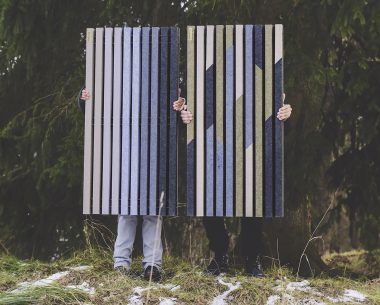
Gustafs is inviting architects to use its products as a springboard for their own creativity.
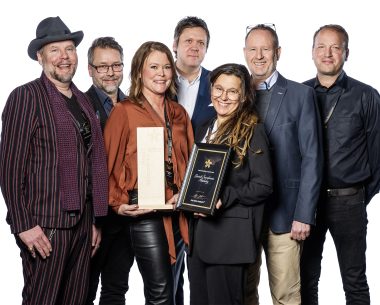
Gustafs was nominated twice at Stjärngalan 2024, winning the Brand of the Year category.
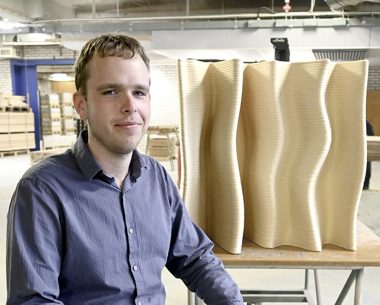
Designer Simon Mattisson’s collaboration with Gustafs to 3D print acoustic panels from waste materials.
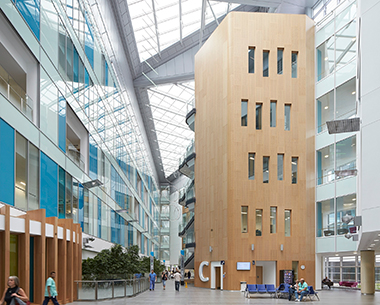
BDP’s Vicky Casey on using natural materials in Southmead Hospital, Bristol.
Learn why experience and materials are the key to the future of retail.
Creative agency Nineties Studio explain the concept behind Gustafs new brand identity.
Experienced consultant Paul Nulty on how to combine lighting and materials such as wood.
House of Choice by White Arkitekter gives guests a greener choice.
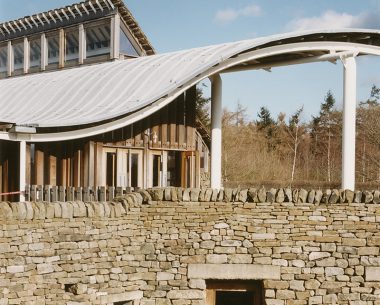
Carol Costello, practice leader of Cullinan Studio, discusses what architecture studios can do to reduce their environmental impact.
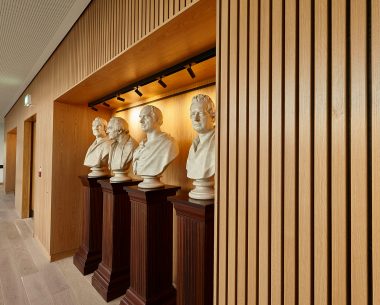
Hawkins\Brown tell us how they approached the modernisation of a Grade II Listed building in London.

Chris Lefteri, renowned expert in material technology, speaks about materials of the future.

Colour expert Karen Haller tells us how behavioural colour and design psychology can create harmonious interiors.
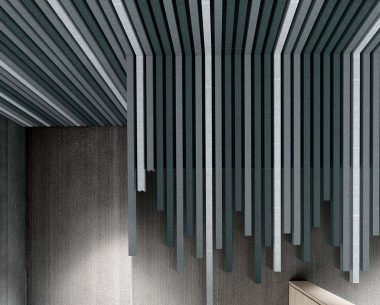
Gustafs introduces Feltfon Linear, a customisable linear felt solution which gives a soft, warmth to walls and ceilings.
From courtrooms to concert halls. We list five favourite projects that use ash.
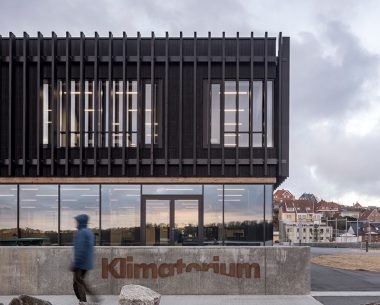
Jan Ammundsen talks through Denmark’s gamechanging Klimatorium scheme
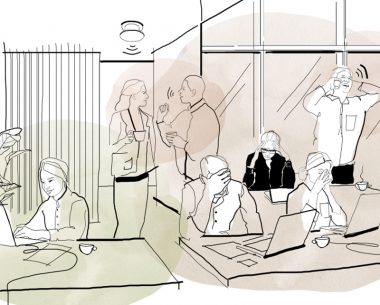
An overview of how material choices affect sound absorption in a workplace environment.
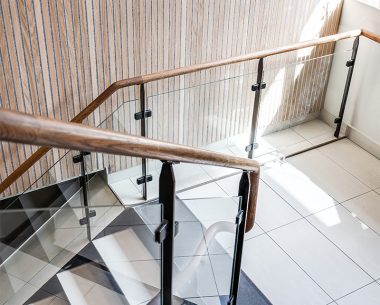
We explore how workplace design can be adapted for people with neurodiverse conditions.

A conversation with Daniel Rönnqvist, Architect and Accessibility Consultant at Gatun Arkitekter, about human-centered architecture and workplace design.

3XN’s Design Director explains the studio’s approach to material selection.

Architect Colin Moses reflects on his key learnings from the University of Bedfordshire library project.

Exploring how architects can create happy cities by designing for mental wellbeing.
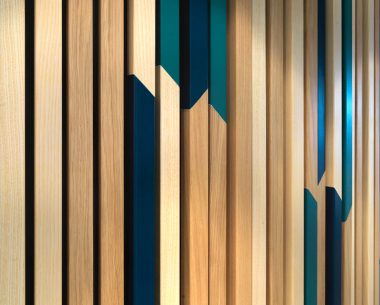
Fire engineer Håvard Strøm Halvorsen examines interiors with wooden ribs.

Property developer Folkhem’s Anna Ervast Öberg talks about her favourite material.
An interview with Graven’s Ross Hunter on designing multi-use education spaces.
The benefits of avoiding fire retardants, and other important points.

Workplaces designed with acoustics in mind can avoid noise and stress.
Joe Belcher lists his key learnings from The Davison Library, University of London.
We chat to Kristian Ahlmark of Schmidt Hammer Lassen about how this “city within a city” was designed for the local community.
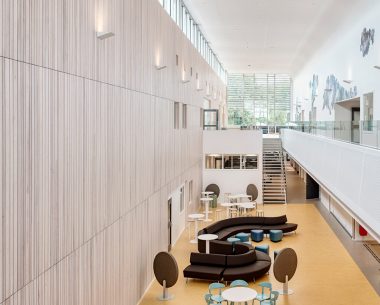
We examine how architects focus on daylight, acoustics and materials in educational facilities.

Experiencing how buildings sound at the design stage: we look at a new research project of sound simulation software.
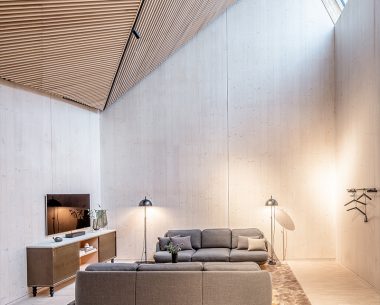
Take a trip around Arlanda VIP Services as Mark Humphreys of Tengbom Arkiteker explains how it epitomises Scandinavian style.

Jenny Lovebo of Linnaeus University answers three questions on the wellbeing effects of forests.
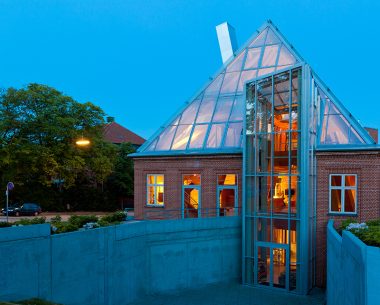
The wooden interior of Hejmdal Cancer Patients House.

Architect Annika Askerblom of AIX explains how interior design and acoustic excellence were combined to create stunning performances spaces.
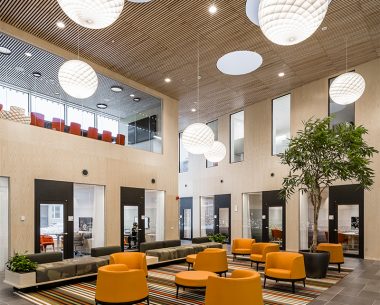
We explore how reducing noise and creating harmonious sound environments can improve wellbeing.

Why forest bathing is here to save your social life: exploring how woodland walks have become the new way of socialising.

Want to get the best out of your digital and hybrid meetings? Get your acoustics right.
The legendary Swedish acoustician Jan-Inge Gustafsson joins us for a conversation about concert halls, collaborating with architects, and the creative process.
We ask fire consultant Anders Bach Vestergaard of COWI consulting to answer three questions about the creation of safe, beautiful and design-led wooden interiors.

In this article we explore the Scandinavian culture of educational sloyd, and its potential to inspire future generations of wood-centric designers.

The story of our heritage: from a forest in rural Sweden, based on traditions of carpentry and craftsmanship, to world-leading wood panel systems.
Recalling the challenges and joys of making a spectacular acoustic solution happen – from design to installation.
Recalling the challenges and joys of making a spectacular acoustic solution happen – from design to installation.
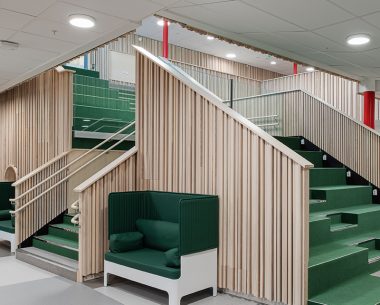
Wood is nature’s original stress-reliever, and studies have proven that its use in the built environment can greatly improve our wellbeing.
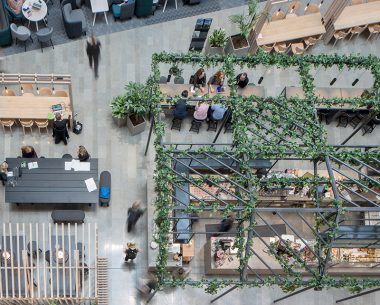
We talk to Wingårdhs Arkitektkontor on the future of offices and the shifting role of workspaces.
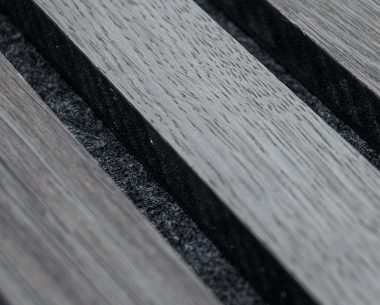
Introducing Lamellow+ from Gustafs, a beautiful combination of felt and wood for indoor public spaces with natural fire safety properties.

Gustaf’s collaboration with Cisco has resulted in a fantastic conference solution that has been awarded with Red Dot: Best of the best

We have developed a new design for our timber slats. A narrower model is now available for walls and ceilings.
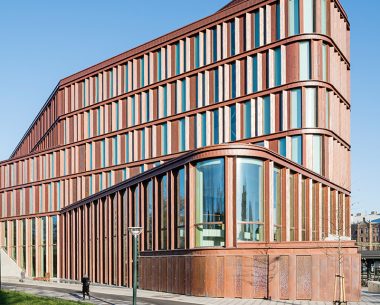
The project Lund’s district court is featured on Archdaily – Building of the year award. The project is featured under Best applied products.
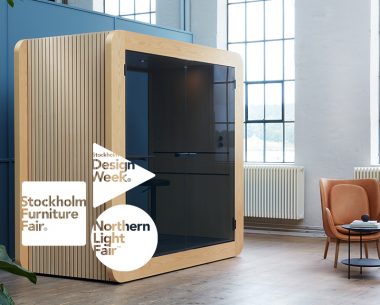
Once again we have a new product to present at the Stockholm furniture fair – come and experience our new meeting pod.
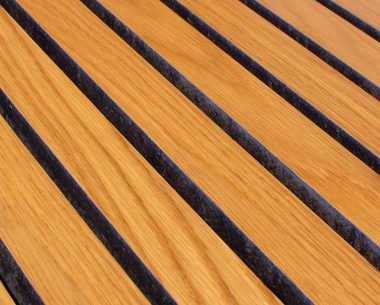
In our aim to lead the development of fire classified wooden claddings for public spaces we now launch a brand new linear timber cladding panel that achieves the market’s absolute highest possible fire classification A2-s1, d0.

Architect Arata Isozaki has been awarded the pritker prize. One of his projects is QNCC, which consists largely of Gustaf’s interior panels
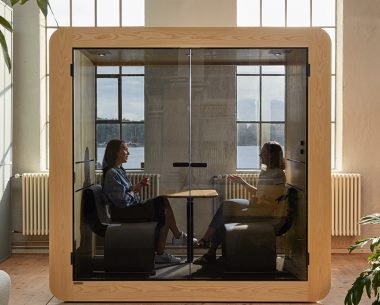
Gustafs Gpod is our new Office meeting pod, designed for both meetings but also as an exclusive wooden furniture with perfect acoustics.

During the Stockholm Furniture Fair we will be launching a brand new product – we’re redefining the workplace, again
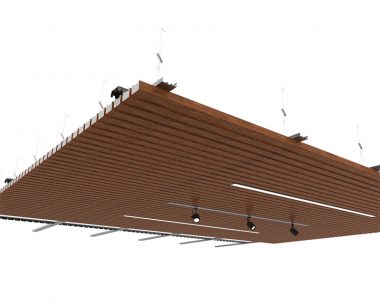
We continue to develop our product range. It is now possible to install spotlights as D-Line, we introduce Gustafs D-Line Spot
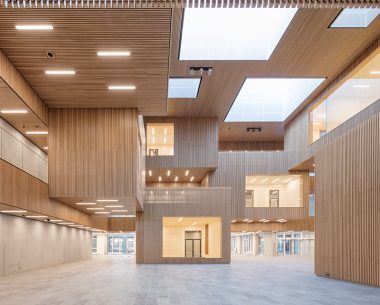
Once again DTU Building 202 has been awarded for it’s design. This time the prestigious Detail Inside Special Prize.
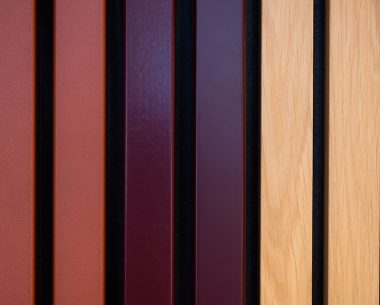
Introducing Linear RIB-S design. a new design with sharper edges that give the increased feel of a solid wooden rib.
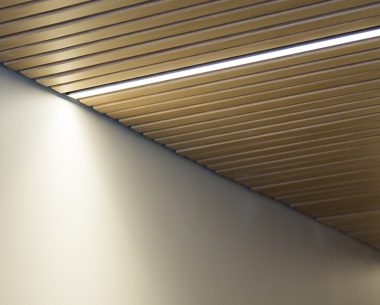
Gustafs D-Line is our new integrated LED lighting system, fully compatibel with our Linear System – LED lighting for wall and ceilings.
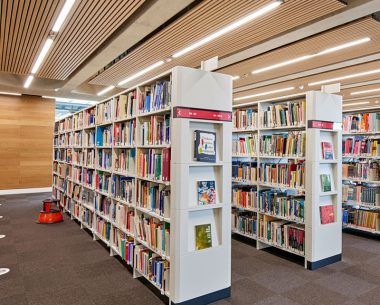
Bedfordshire library project has been awarded the RIBA East Award 2018. We are delighted to have been part of this project.
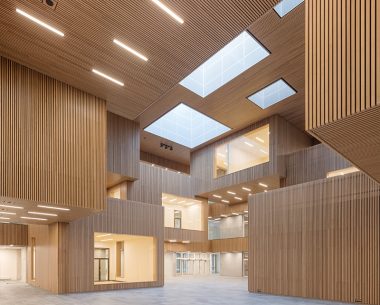
The stunning project DTU building 202 has been awarded the Carpentry Prize 2017. We are proud to have delivered our panels to the project.
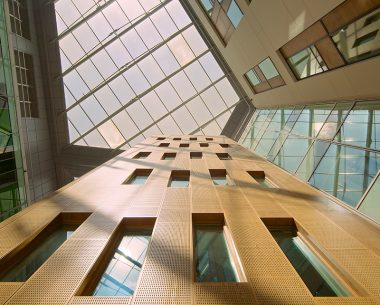
The Brunel Building of Southmead Hospital has been awarded European Healthcare Design 2017. Gustafs and LSA have produced and supplied panels to the project.
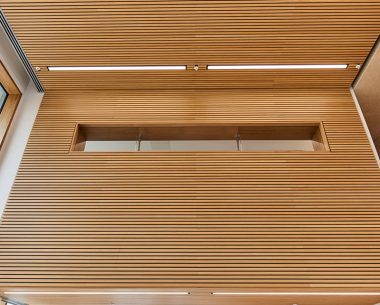
Gustafs together with LSA have produced and supplied slatted wood panels to this new library at Bedfordshire University.
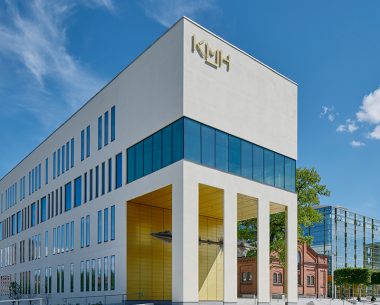
The Royal College of Music in Stockholm is one of ten projects nominated for Stockholm Building of the Year.
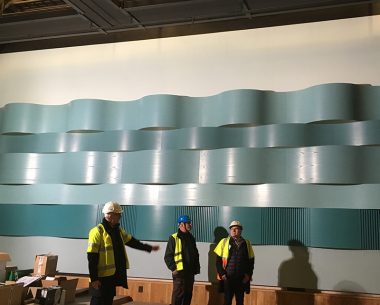
Gustafs are producing interior acoustic wood panels for all music venues at the new royal college of music in Stockholm.
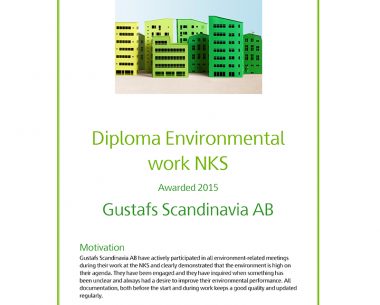
Gustafs have been awarded by the contractor Skanske for our environmental work at the project site NKS, we are truly glad!
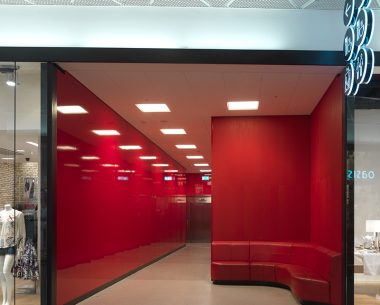
Gustafs have contributed with interior wall panels in laminate and wood surfaces to the BREEAM Building of the year project.
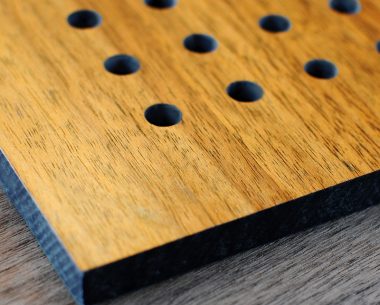
Our brand new dark fibre gypsum core can be used to hide the perforations in a better way, using dark veneered wood panels.
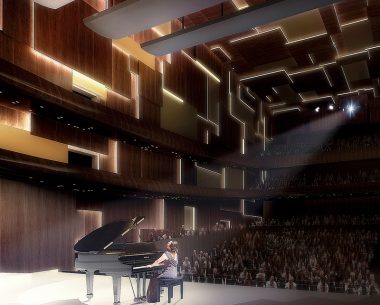
Gustafs have won the Malmö Live contract and will produce and install interior wall and ceiling panels for this spectacular venue.
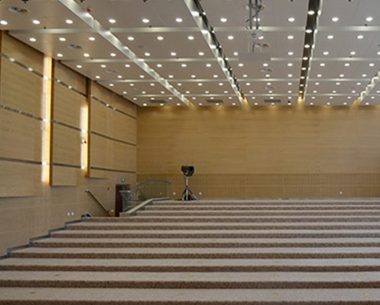
We’re happy to announce Gustafs’ first ever project in China. We have produced and supplied this auditorium with wood panels.

This summer Gustafs celebrated 100 years as a business, with the start of Andreas Tunander acquired the business back in 1913.
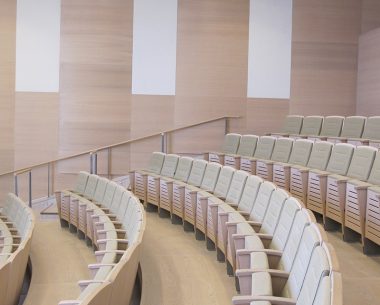
Together with our Russian supplier, Gustafs has manufactured and delivered fireproof wooden panels for this historic building.
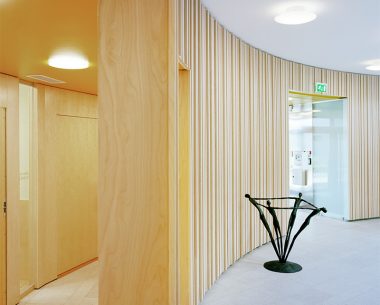
Gustafs Linear System is our brand new cladding system with linear design, utilizing real wood veneer and a Quick-Up installation system.
Gustafs’ wood panels are now certified with fire classification A2-s1,d0 according to the European fire class.